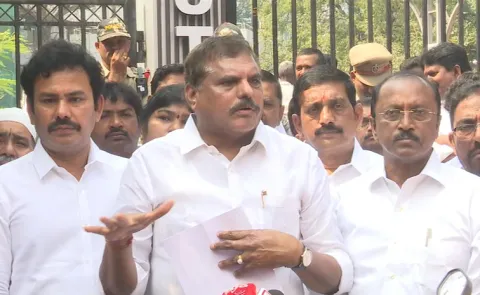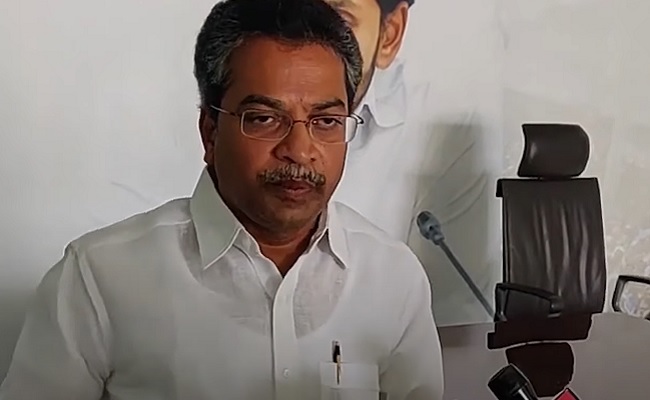
In a bold and controversial statement, Vasantha Krishna Prasad, the Telugu Desam Party MLA representing the Mylavaram assembly constituency, stirred discussions on social dynamics by asserting that there is little distinction between the Kamma and Kapu communities. His comments, made during a public address on Monday, have ignited a debate that touches upon caste identities and the prospects of unity among these groups.
Krishna Prasad, known for his forthright approach, emphasized the importance of collaboration and solidarity among the two communities in a bid to foster social harmony and mutual progress. He posited that both groups, which have historically been viewed as separate entities within the socio-political landscape of Andhra Pradesh, share more in common than they might realize. By advocating for a united front, he hopes to dispel longstanding rivalries that have often hindered collective advancement.
The remarks have resonated with many, particularly those who believe in the potential for unity among various caste groups. Supporters argue that such statements could pave the way for a more inclusive society, where individuals are recognized for their contributions rather than their caste affiliations. Krishna Prasad’s call for unity has been interpreted as a step towards breaking down barriers and fostering communication between communities that have often been at odds.
However, the comments have also sparked criticism from some quarters. Detractors argue that the differences between the Kammas and Kapus are significant and rooted in historical contexts that cannot be easily overlooked. They caution against oversimplifying the complexities of caste dynamics, suggesting that while unity is a noble goal, it should not come at the expense of acknowledging the distinct identities and grievances of each community.
This discourse reflects a broader trend in Indian society, where caste identities continue to play a significant role in social interactions and political affiliations. Krishna Prasad’s statements can be seen as part of a larger conversation about how caste groups in India are navigating their identities in a rapidly changing socio-economic landscape. The challenge lies in finding a balance between recognizing these identities and promoting a cohesive society.
As the debate continues, many are watching closely to see how Krishna Prasad’s comments will affect community relations and political alliances in the region. His call for unity echoes a sentiment that has gained traction in various parts of the country, where leaders are increasingly advocating for collaborative approaches to tackle issues that affect multiple communities.
In the coming days, it will be crucial to see how both the Kamma and Kapu communities respond to this call for unity. Will they embrace the idea of collaboration, or will they reject it in favor of maintaining their distinct identities? Only time will tell if Vasantha Krishna Prasad’s vision for a united front will gain traction or become yet another chapter in the complex narrative of caste politics in Andhra Pradesh.